
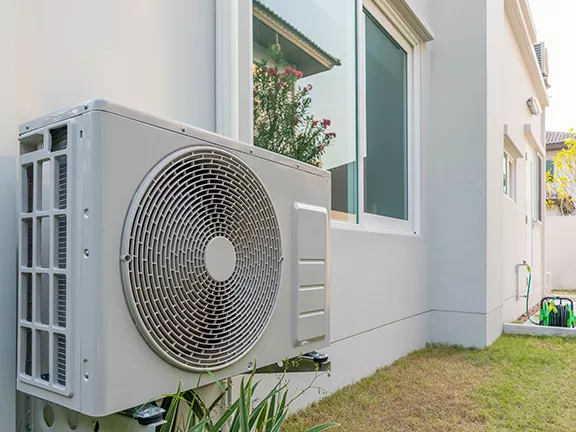
A Homeowner's Guide to Making a Smart Investment
Buying a new heating and air conditioning system is one of the largest investments you’ll make in your home. While many homeowners focus on the price of the equipment, the quality of the installation and the contractor often have a much bigger impact on comfort, efficiency, and long-term reliability.
Asking the right questions helps you compare companies fairly, avoid costly surprises, and choose a system that will keep your home comfortable for years to come.
Whether you’re replacing an aging system or installing HVAC equipment in a new home, use these questions during every estimate.
1. Is My Current System Actually the Right Size?
Many homeowners assume they should simply replace their existing system with the same size.
That isn’t always the best choice.
An experienced HVAC professional should evaluate your home’s:
- Square footage
- Ceiling height
- Insulation levels
- Window placement
- Sun exposure
- Air leakage
- Number of occupants
A system that’s too large may cool the home quickly but won’t remove enough humidity. A system that’s too small may run constantly without keeping up during Florida’s hottest days.
Ask:
“How did you determine the size of the system you’re recommending?”
2. How Will You Determine the Right Size HVAC System for My Home?
Not every home needs the same size HVAC system. The square footage of your home is an important starting point, but it’s not the only factor.
A qualified contractor should consider your home’s size along with details like the layout, insulation, window placement, ceiling height, and other factors that affect heating and cooling needs.
If someone recommends a new system after only a quick walk-through—or simply suggests replacing your old unit with the same size—it’s worth asking how they determined that recommendation. Choosing the right size system is one of the most important steps in achieving reliable comfort, energy efficiency, and long-term performance.
3. What SEER2 Rating Should I Choose?
Higher efficiency systems generally use less electricity, but they also cost more upfront.
Ask the salesperson to explain:
- Initial cost
- Estimated energy savings
- Payback period
- Available efficiency options
The highest-efficiency system isn’t always the best value.
The right choice depends on your home, your budget, and how long you expect to live there.
4. What Type of Warranty Comes with the Equipment?
Not all warranties are the same.
Ask about:
- Manufacturer parts warranty
- Labor warranty
- Compressor warranty
- Registration requirements
- What may void coverage
Also ask:
“Who handles warranty service if something goes wrong?”
5. Who Will Actually Install My System?
Some companies use their own employees.
Others subcontract installations.
Knowing who will be working inside your home gives you a better understanding of quality control and accountability.
Ask:
- Are your installers licensed?
- Are they insured?
- Are background checks performed?
- How experienced is the installation crew?
6. What Is Included in the Installation Price?
A low quote sometimes leaves out important items.
Ask what’s included, such as:
- New thermostat
- Drain pan
- Safety switches
- Condensate drain improvements
- Electrical connections
- Refrigerant line evaluation
- Permit fees
- Equipment removal
- Start-up testing
Having everything listed in writing makes comparing estimates much easier.
7. Will My Existing Ductwork Be Inspected?
Even the best air conditioner can’t perform properly if the duct system has leaks, restrictions, or poor airflow.
Ask if the contractor will inspect:
- Duct leakage
- Airflow
- Return air sizing
- Supply registers
- Insulation
- Air balancing
Ignoring duct problems often leads to uneven temperatures and higher utility bills.
8. How Will This System Handle Florida Humidity?
In Florida, removing humidity is almost as important as lowering the temperature.
Excess indoor humidity can lead to:
- Mold growth
- Musty odors
- Reduced comfort
- Higher energy bills
Ask how the recommended system manages humidity throughout the year.
9. What Maintenance Will Be Required?
Every HVAC system needs regular maintenance.
Ask:
- How often should the system be serviced?
- What maintenance is recommended?
- Will maintenance help protect the warranty?
- Do you offer maintenance plans?
Routine maintenance helps maximize efficiency and extend equipment life.
10. What Financing Options Are Available?
Many homeowners finance HVAC replacements.
Ask about:
- Monthly payment options
- Promotional financing
- Deferred interest offers
- Credit requirements
Understanding financing early helps you budget without delaying an important replacement.
11. What Indoor Air Quality Options Should I Consider?
Today’s HVAC systems can do more than heat and cool.
Depending on your home, you may benefit from:
- Air purifiers
- Media filters
- UV lights
- Whole-home dehumidifiers
- Smart thermostats
Ask which upgrades genuinely improve comfort instead of simply increasing the price.
12. What Happens After the Installation?
A professional installation shouldn’t end when the equipment starts running.
Ask whether the contractor will:
- Test airflow
- Verify refrigerant charge
- Explain thermostat operation
- Review maintenance requirements
- Register warranties
- Answer questions before leaving
Proper commissioning helps ensure your new system performs as designed.
13. How Long Should This System Last?
Equipment lifespan depends on installation quality, maintenance, and operating conditions.
Ask:
- What lifespan should I realistically expect?
- What maintenance helps maximize longevity?
- What warning signs indicate future problems?
Setting realistic expectations helps protect your investment.
14. Can You Provide References or Reviews?
Reputation matters.
Before making a decision, review:
- Online customer reviews
- Before-and-after project photos
- Local experience
- Years in business
A company with a consistent record of satisfied customers is often a safer investment than simply choosing the lowest price.
15. Why Are You Recommending This Specific System?
This may be the most important question of all.
A knowledgeable HVAC professional should explain:
- Why this size was selected
- Why this efficiency level fits your needs
- Why this equipment matches your home
- Any alternative options
- The pros and cons of each recommendation
You deserve to understand why a system is being recommended—not simply be handed a quote.
Red Flags to Watch For
Be cautious if a contractor:
- Gives a quote without inspecting your home.
- Doesn’t discuss ductwork.
- Can’t explain system sizing.
- Pressures you to buy immediately.
- Offers only one equipment option.
- Won’t explain warranties.
- Doesn’t pull permits when required.
- Focuses only on price instead of long-term value.
Have Questions? We're Here to Help.
Buying a new HVAC system is a significant investment, and you deserve clear answers before making a decision.
Whether you’re comparing quotes, replacing an aging system, or simply trying to understand your options, don’t hesitate to ask questions. A contractor should be willing to explain their recommendations, discuss your choices, and help you feel confident about your decision—not pressure you into making one.
At United Refrigeration, Heating & Air, we believe an informed homeowner makes the best customer. That’s why we take the time to answer your questions, explain your options in plain language, and recommend solutions based on your home’s needs—not a one-size-fits-all approach.
Give us a call or complete the form below to schedule a consultation or ask your HVAC questions. We’re here to help you make the right decision for your home.