
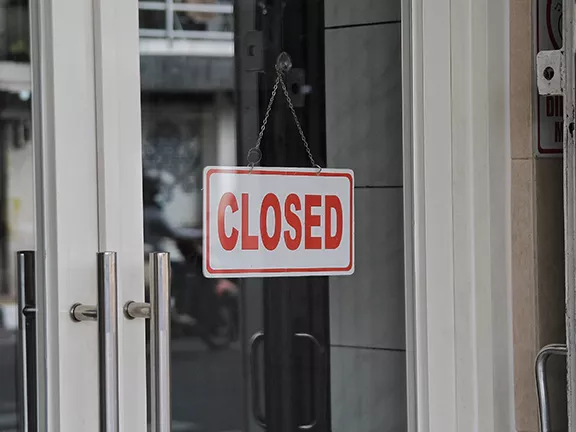
It’s 10:45 a.m., and lunch service starts in less than an hour.
Your walk-in cooler isn’t holding temperature. The kitchen feels hotter than usual even though the air conditioning is running. The ice machine isn’t producing enough ice, and your staff is trying to keep the kitchen running smoothly while waiting for a technician to arrive.
For many restaurant owners, this scenario is all too familiar.
Restaurant equipment downtime isn’t just an inconvenience. Every minute your equipment is offline can mean lost revenue, spoiled food, frustrated employees, unhappy customers, and expensive equipment repairs. Understanding the true cost of downtime—and taking steps to prevent it—can have a significant impact on your restaurant’s profitability.
The True Cost of Restaurant Equipment Downtime
Most restaurant owners focus on the repair invoice. In reality, the cost of equipment downtime is usually much higher.
Lost Revenue
A restaurant generating $8,000 to $12,000 in daily sales can easily lose hundreds of dollars—or more—if critical equipment is unavailable during a busy lunch or dinner service.
When your dining room becomes uncomfortable because of HVAC problems or your refrigeration equipment isn’t operating properly, service slows, menu options become limited, and customers may decide to eat elsewhere.
Even a few hours of downtime during peak business can have a measurable impact on your bottom line.
Food Spoilage and Inventory Loss
Your commercial refrigeration system protects one of your largest investments—your inventory.
If a walk-in cooler, walk-in freezer, reach-in cooler, or reach-in freezer experiences an equipment failure, temperatures can rise quickly, leading to spoiled food, wasted inventory, and potential food safety concerns.
Replacing thousands of dollars’ worth of food often costs far more than the actual repair.
Emergency Repair Costs
When equipment fails unexpectedly, restaurants rarely have the luxury of waiting.
Emergency service calls, after-hours labor, expedited parts, and business interruptions all increase repair costs. A small refrigerant leak, dirty coil, or faulty thermostat that could have been corrected during scheduled service can become a much larger problem when left unattended.
Employee Productivity and Customer Experience
Equipment problems affect more than the equipment itself.
Employees spend valuable time working around problems instead of serving guests. Managers shift their attention from operations to coordinating repairs. Customers experience longer wait times, uncomfortable dining conditions, or limited menu availability.
Over time, poor customer experience can affect repeat business and online reviews just as much as a major equipment breakdown.
Which Equipment Failures Have the Greatest Impact?
Not every piece of equipment carries the same level of risk. Some systems affect nearly every aspect of restaurant operations.
Commercial HVAC Systems
Your HVAC system keeps dining rooms comfortable while helping maintain a productive work environment for kitchen staff.
When the air conditioning struggles, excessive heat can reduce employee productivity, increase humidity, and make it harder for the kitchen to operate efficiently.
Walk-In Coolers and Walk-In Freezers
Walk-ins are often the backbone of restaurant food storage.
When a walk-in experiences a malfunction, inventory, food quality, and daily operations are immediately affected. Extended downtime can result in significant financial losses.
Reach-In Coolers and Reach-In Freezers
Reach-in refrigeration supports daily food preparation and quick access to ingredients.
Even if your walk-in remains operational, losing a reach-in cooler during service can disrupt workflow and increase labor demands.
Commercial Ice Machines
Ice is essential for beverage service, food preparation, and customer satisfaction.
When an ice machine stops producing, restaurants may need to purchase bagged ice, modify operations, or limit service until equipment repair is completed.
Kitchen Exhaust and Make-Up Air Systems
Proper ventilation is essential for maintaining comfortable working conditions.
Kitchen exhaust and make-up air systems remove excess heat, smoke, and humidity while supporting HVAC performance. When these systems aren’t operating correctly, kitchen temperatures rise and other equipment—including refrigeration systems—must work harder.
Why Reactive Repairs Cost More Than Preventative Maintenance
Many restaurants still rely on reactive maintenance—waiting until equipment breaks before calling for service.
While this approach may appear to save money in the short term, it often leads to higher repair costs, more emergency repairs, and shorter equipment lifespan.
A preventive maintenance program focuses on identifying small equipment issues before they become expensive failures.
- Routine equipment maintenance may include:
- Inspecting HVAC performance
- Cleaning condenser coils
- Checking refrigerant levels
- Inspecting electrical connections
- Verifying thermostat operation
- Evaluating airflow and ventilation
- Identifying worn components before they fail
Following a maintenance schedule helps prevent downtime, improve energy efficiency, and extend the lifespan of critical systems.
Five Ways Restaurants Reduce Equipment Downtime
Successful restaurants understand that preventing downtime is far less expensive than responding to unexpected failures.
Here are five proven ways to reduce equipment downtime:
- Follow a scheduled preventative maintenance schedule for HVAC and refrigeration equipment.
- Address small maintenance issues before they become major equipment breakdowns.
- Monitor refrigeration temperatures daily to catch problems early.
- Schedule regular inspections of kitchen exhaust and make-up air systems to keep equipment operating efficiently.
- Partner with one experienced contractor for HVAC, ventilation, and refrigeration repair and maintenance instead of managing multiple service providers.
Many larger restaurant groups also use predictive maintenance, management software, and scheduled maintenance tasks to identify trends before equipment fails. Even independent restaurants can benefit from adopting similar maintenance practices.
One Contractor. One Maintenance Plan. Fewer Surprises.
Managing separate companies for HVAC, refrigeration, ventilation, and air handling can create unnecessary delays and confusion.
Working with a single contractor who understands how these systems interact simplifies scheduling, improves communication, and helps optimize equipment performance across your entire restaurant.
At United Refrigeration, Heating & Air, our maintenance services are designed to support commercial HVAC systems, walk-in coolers, walk-in freezers, reach-in refrigeration, ice machines, kitchen exhaust, make-up air systems, and other foodservice equipment that keeps your restaurant operating every day.
Whether your goal is to minimize downtime, lower operating costs, or extend your equipment lifespan, a proactive maintenance strategy helps keep your investment protected.